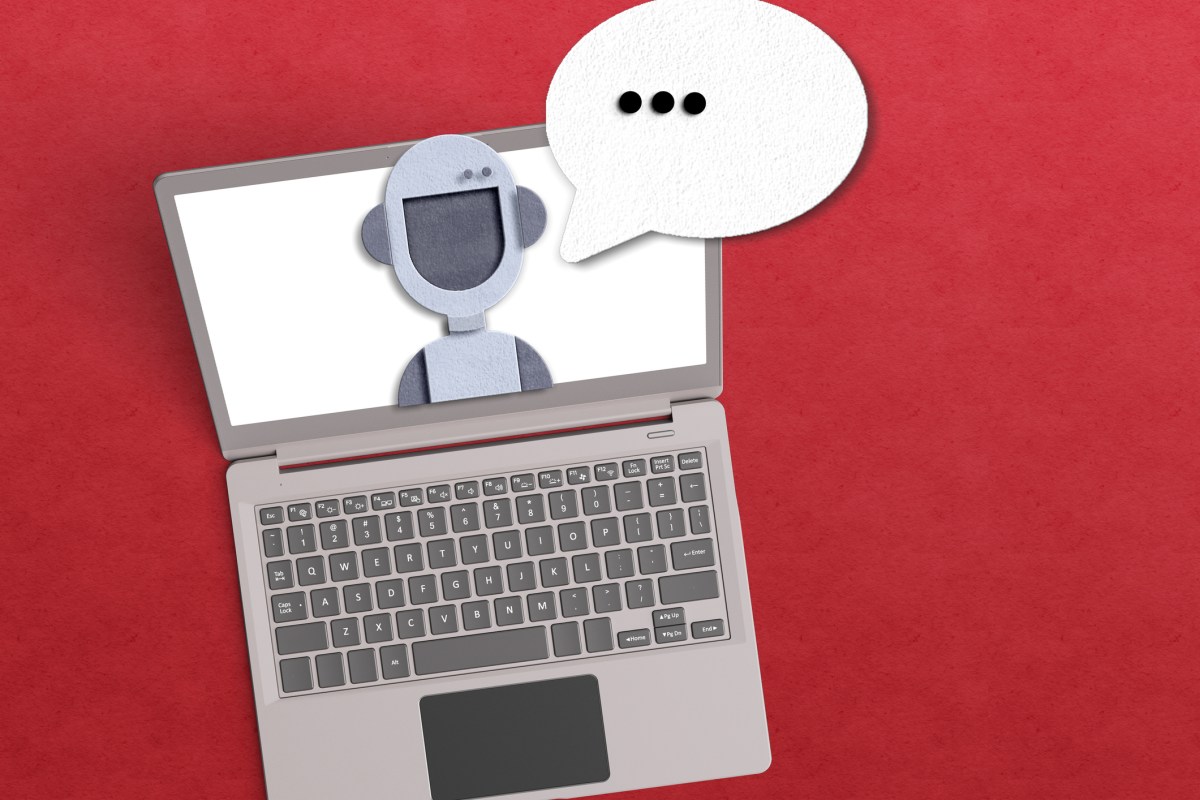
In 2025, AI-powered dictation apps have revolutionized how professionals communicate, offering unprecedented accuracy and convenience.
The surge in these technologies is reshaping employment dynamics, particularly in sectors heavily reliant on documentation and communication. As dictation apps become more sophisticated, businesses are experiencing a shift in workflow efficiency, which can have profound implications for productivity and job roles.
Developments in large language models (LLMs) and speech-to-text technology have significantly improved the accuracy and contextual understanding of these apps. This is crucial in industries such as healthcare and legal services, where precise documentation is essential. The ability of dictation apps to automatically format and edit text reduces the time professionals spend on mundane tasks, allowing them to focus on higher-value activities.
Moreover, apps like Wispr Flow and Willow are setting new standards by allowing customization of transcription styles and integrating privacy features that align with industry-specific needs. Willow's local data storage and opt-out options for model training represent a growing awareness of data protection concerns, especially important in sectors handling sensitive information.
Indeed, the economic concept of labor substitution is evident as AI dictation tools potentially reduce demand for traditional transcription roles. However, this disruption is also creating opportunities for workers to upskill and adapt to more strategic functions within their organizations. Transitioning from manual data entry to overseeing AI-enhanced processes could become a valuable career trajectory.
Nevertheless, the widespread adoption of these technologies could lead to a redefinition of roles, as professionals across various sectors increasingly rely on AI for routine tasks. This transformation aligns with broader employment trends where automation complements human labor rather than replacing it entirely.
Looking ahead, as AI-powered dictation tools become further entrenched in the workplace, workers will need to adapt by acquiring skills that complement these technologies. This shift is expected to unfold over the next 12 to 24 months, demanding a proactive approach from both employees and employers to leverage these innovations effectively.
Ultimately, the integration of AI dictation apps heralds a new era of efficiency and precision in professional communication, reflecting a broader trend of technological enhancement in the workplace.
Originally reported by TechCrunch