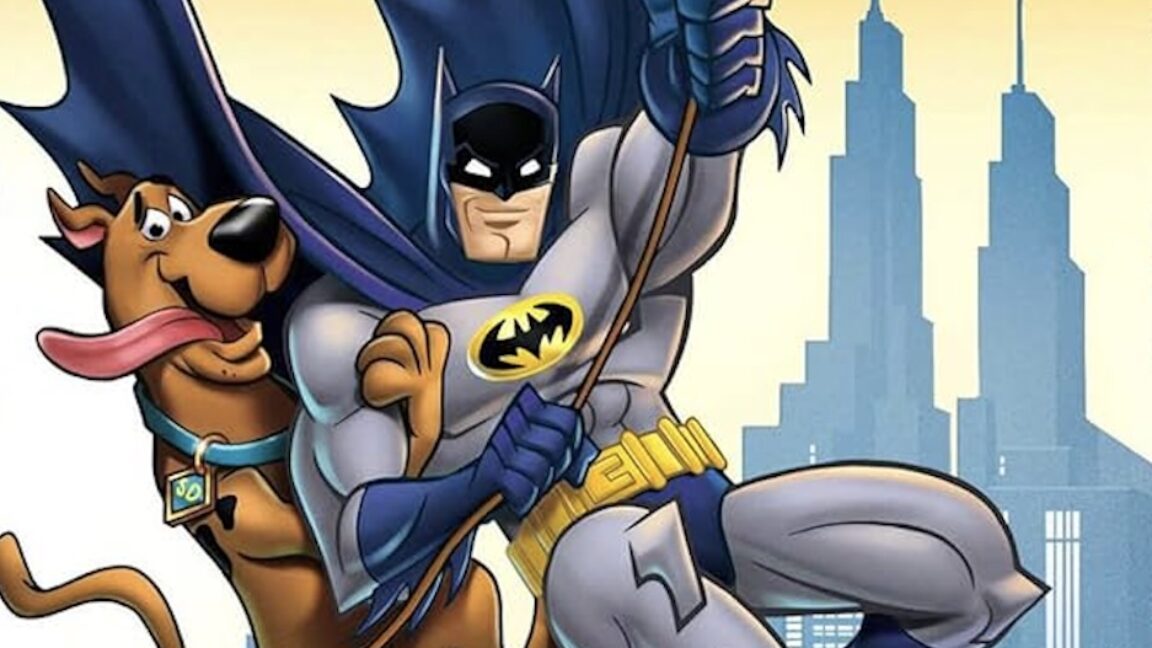
Warner Bros. has taken legal action against Midjourney, accusing the AI company of facilitating unauthorized reproductions of iconic characters like Batman and Scooby-Doo. This lawsuit, following similar actions by Disney and Universal Studios, underscores the rising tensions between traditional media giants and AI firms profiting from intellectual property.
The significance of this legal battle extends beyond the courtroom, as it touches upon the future of creative industries and employment within them. As AI technologies evolve, they increasingly intersect with roles traditionally held by human artists and designers. The capacity of AI to generate images and concepts that mirror copyrighted material raises questions about the future of creative jobs and intellectual property rights.
In the complaint, Warner Bros. argues that Midjourney's AI models, trained to emulate popular characters, infringe on intellectual property rights. This is not just a legal issue but an economic one, as it challenges the livelihoods of artists and designers. These professionals may face displacement as AI tools grow more sophisticated, capable of producing high-quality creative content with limited human input.
Moreover, the lawsuit highlights the broader trend of digital transformation within creative sectors. As companies contend with AI's encroachment, they must navigate the delicate balance between leveraging technology for innovation and protecting the economic interests of their human workforce. Intellectual property laws, therefore, play a pivotal role in determining how these industries adapt to technological disruption.
Indeed, the potential for AI to automate creative tasks presents both threats and opportunities. While some roles may diminish, new opportunities may emerge for those skilled in managing AI tools or creating unique content that leverages AI capabilities. However, the speed of this transition could outpace the current workforce's ability to adapt, necessitating proactive measures in education and training.
In the next 12-24 months, workers in creative industries may witness a shift towards roles that require collaboration with AI technologies. Companies will likely invest in upskilling their employees to harness these tools effectively, thus transforming traditional roles rather than eliminating them.
Ultimately, the case between Warner Bros. and Midjourney serves as a microcosm of the broader challenges and opportunities AI presents to employment in creative sectors. As this legal battle unfolds, it will likely set precedents for how AI-generated content is regulated, impacting job roles across the industry.
Originally reported by Ars Technica.