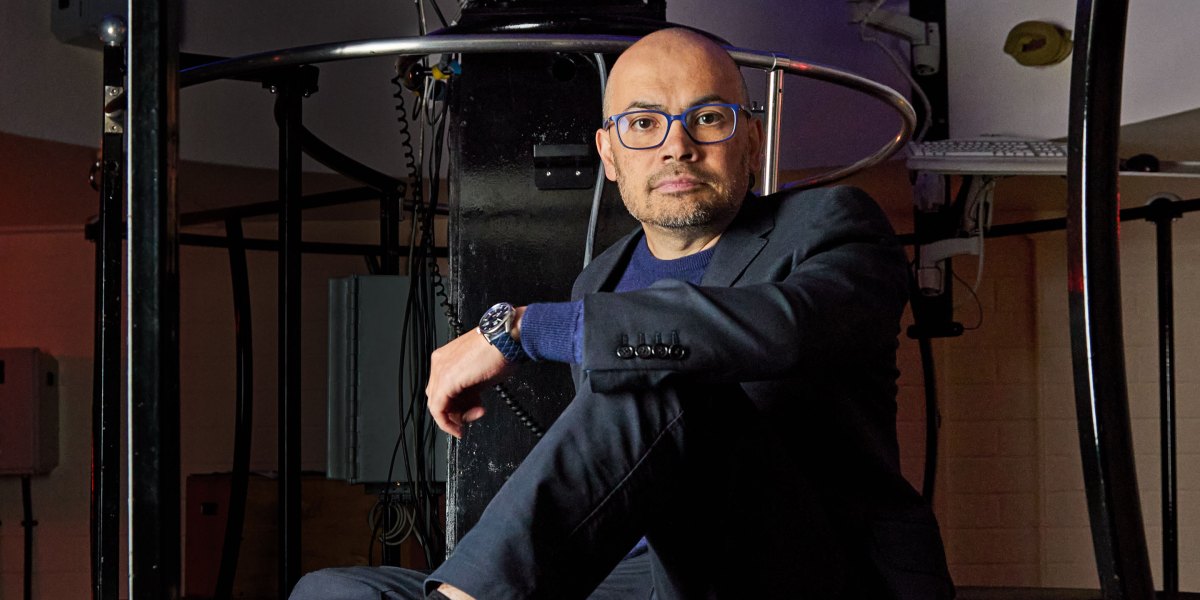
The vastness of molecular possibilities presents a formidable challenge to drug discovery, yet Isomorphic Labs, spearheaded by Demis Hassabis, seeks to harness the power of artificial intelligence to navigate this complexity.
In an era where the potential for AI to revolutionize industries is widely acknowledged, the impact on healthcare and pharmaceuticals stands out as particularly transformative. The vast number of potential drug-like molecules, estimated at an astronomical 10^60, dwarfs even the number of stars in the observable universe. This sheer volume underscores the daunting task of drug discovery, a process historically marked by serendipity and scientific breakthroughs. However, with AI-driven platforms, the potential to systematically explore this molecular universe becomes feasible, promising a new paradigm in medical treatment.
The strategic importance of this development cannot be overstated. As AI tools enhance the ability to discover, design, and optimize drugs, there is significant potential for reshaping the pharmaceutical workforce. Roles traditionally focused on manual drug discovery processes may evolve, emphasizing skills in data analysis, AI model training, and interdisciplinary collaboration. Moreover, if Isomorphic Labs and similar ventures succeed, we could witness the emergence of entirely new job categories centered around AI-driven drug development.
Indeed, the stakes are high. Google Ventures managing partner Krishna Yeshwant highlighted the need for tangible results, stating that the success of AI in this domain must be demonstrated through the development and delivery of effective drugs to market. The implications extend beyond mere technological success; they hold the promise of more effective treatments for conditions such as autoimmune disorders and cancer, potentially transforming patient outcomes.
Meanwhile, as these AI-driven methodologies gain traction, the pharmaceutical sector might experience a shift in its employment landscape. While some roles may become obsolete, others could be redefined, requiring new competencies in AI and data science. This evolution reflects broader trends across industries where AI is not merely a tool but a catalyst for transformation.
Looking forward, the next 12 to 24 months will be critical as Isomorphic Labs and its peers strive to demonstrate the viability of their approaches. Should they succeed in translating AI's theoretical potential into practical solutions, the impact on the workforce will be profound, necessitating adaptation and upskilling to align with new technological demands.
Ultimately, the journey from molecular possibilities to life-changing therapies highlights the symbiotic relationship between human ingenuity and artificial intelligence. As Isomorphic Labs ventures deeper into this realm, the promise of AI to redefine drug discovery and healthcare delivery remains both an inspiration and a challenge.
Originally reported by Fortune