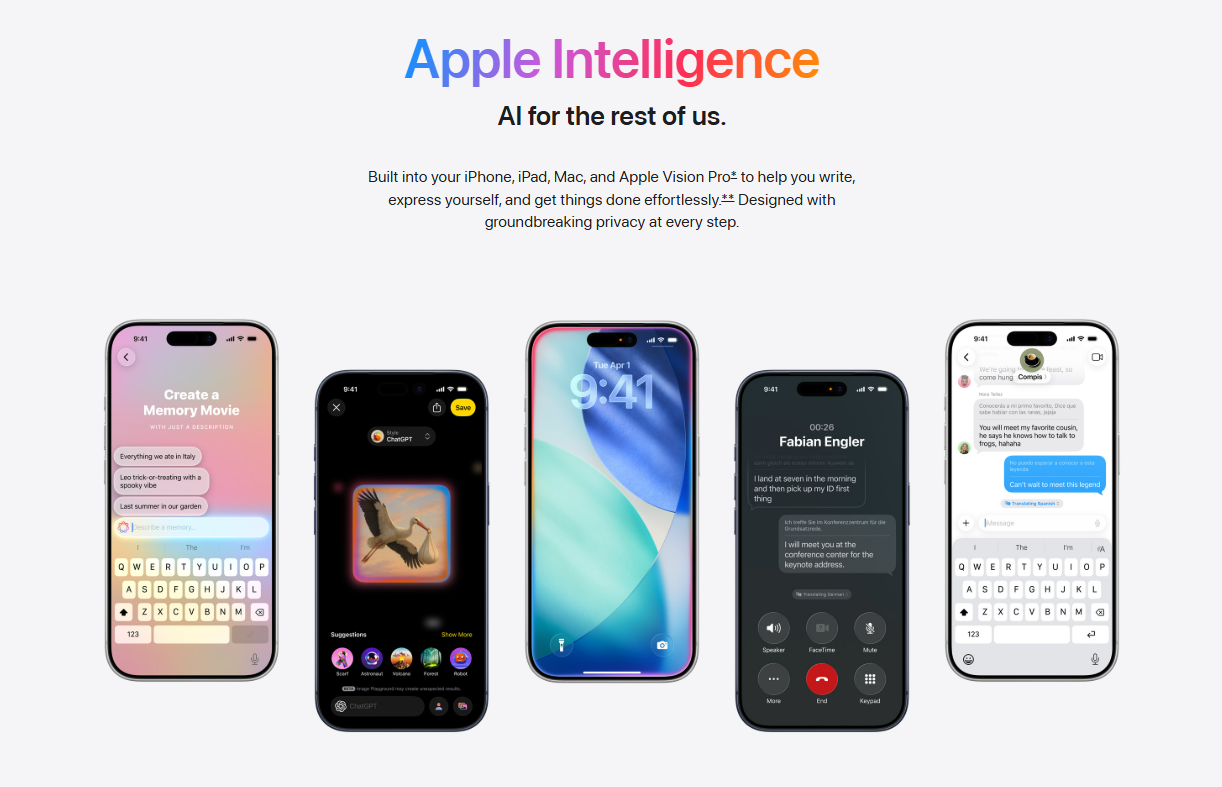
Apple's anticipated release of iOS 27, which is reported to allow the integration of third-party AI models, signals a pivotal shift in its strategy, potentially reshaping the landscape for iPhone users in China.
The significance of this development lies in its potential to address a long-standing issue faced by Chinese iPhone users: limited access to advanced AI features due to regulatory constraints. Currently, these users are often constrained by Apple’s closed ecosystem, which impedes their ability to leverage cutting-edge AI tools, thus affecting productivity and user experience.
Indeed, the move towards an open platform, as anticipated in iOS 27, represents a broader industry trend towards collaboration and flexibility. By enabling features such as Extensions, which allow third-party AI applications to function as default engines, Apple is not only enhancing the utility of its devices but is also responding to consumer demand for greater customization. This strategic shift could dismantle existing barriers and foster a more competitive AI environment within China, where domestic AI firms like DeepSeek and Doubao have been making significant technological strides.
Moreover, this development could yield economic benefits by providing Chinese AI developers with a more robust platform for distribution, potentially boosting their market visibility and expanding their consumer base. As these domestic AI models become more integrated into everyday digital interactions, the demand for skilled workers in AI development and deployment is likely to rise. This could lead to job creation in software development and AI training, thereby invigorating the tech labor market.
Nevertheless, the success of iOS 27 in achieving these outcomes will hinge on its execution and adoption. Should it deliver on its promise of a more open ecosystem, it could redefine Apple's market positioning in China, reinforcing its commitment to local needs while staying competitive globally.
Looking ahead, in the next 12 to 24 months, we may witness a transformation in how AI capabilities are accessed by end-users and implemented by tech firms. The trend towards openness may fuel an ecosystem where domestic companies can thrive, potentially leading to a surge in innovation and AI-driven job roles that support Apple's new ecosystem.
In conclusion, Apple's strategic pivot with iOS 27 holds promise not only for its users but also for the broader technological and economic environment. This potential for change is underscored by its ability to cater to local markets while maintaining global competitiveness.
Originally reported by TechNode.