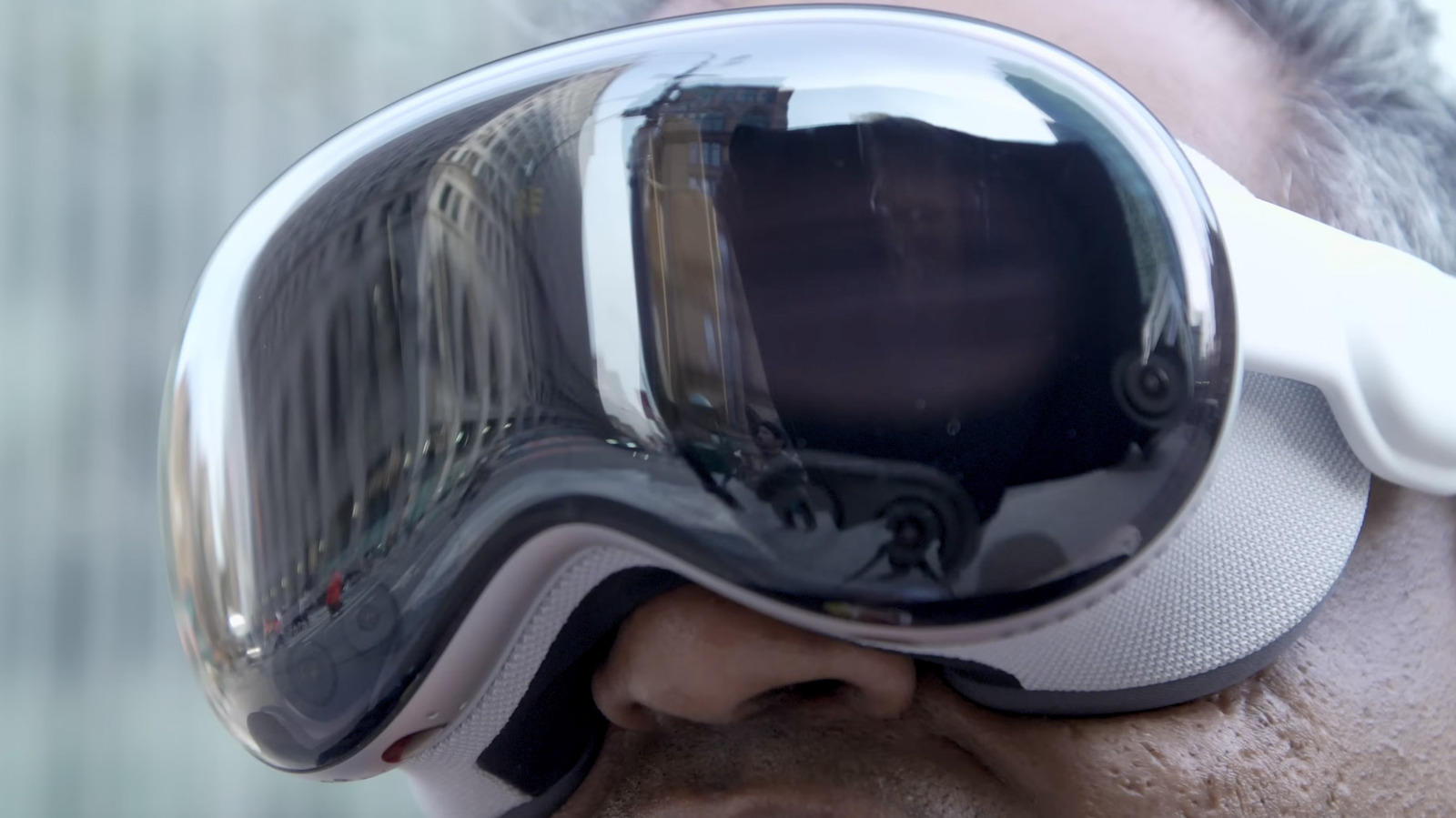
In a strategic pivot that underscores the volatile yet promising landscape of AI-infused technology, Apple has announced the elimination of over 200 positions within its Vision Pro and Siri software teams. This move, reported by Bloomberg's Mark Gurman, reflects Apple's recalibration towards next-generation AI and smart glasses technology—a shift that holds significant implications for the future of employment in tech.
The restructuring comes at a critical juncture for the labor market, emphasizing the growing influence of artificial intelligence on job roles and industry dynamics. As Apple transitions its focus, the affected roles were primarily involved in gaming and immersive video for Vision Pro, and legacy Siri systems. This realignment highlights the ephemeral nature of tech roles that do not adapt to the evolving demands of AI innovation.
Moreover, the layoffs are indicative of a broader trend in which traditional job functions are increasingly supplanted by positions requiring advanced AI competencies. Apple acknowledged this shift, stating the need to realign its workforce to match a changing product mix, which includes creating new positions tailored to the requirements of its cutting-edge AI projects. This recalibration is not isolated, as other industry players like Meta are equally advancing their AI initiatives, thereby influencing labor dynamics.
Indeed, the decision to phase out certain positions in favor of roles focused on Apple's rumored AR glasses and the new LLM-based Siri AI system reflects an overarching industry trend towards automation and AI-enhanced personal technology. The labor implications of such innovations suggest that while some jobs may be displaced, new opportunities requiring specialized AI skills are on the horizon.
Nevertheless, the transition is not without challenges. Employees affected by these cuts face a complex job market, with opportunities linked closely to technological fluency and adaptability. As Apple continues to invest in AI and smart glasses, the demand for workers skilled in these technologies is anticipated to rise, fostering a competitive environment for recruitment and retention of top talent.
Looking forward, the next 12 to 24 months will be crucial for tech workers as they navigate the shifting sands of employment opportunities in AI-driven sectors. Companies that embrace and invest in retraining and upskilling initiatives will likely be better positioned to maintain a competitive edge while supporting workforce stability.
In conclusion, as Apple forges ahead with its AI ambitions, the ripple effects on employment are considerable, serving as a microcosm of the broader technological transformation sweeping across the global labor market. Originally reported by Engadget.